
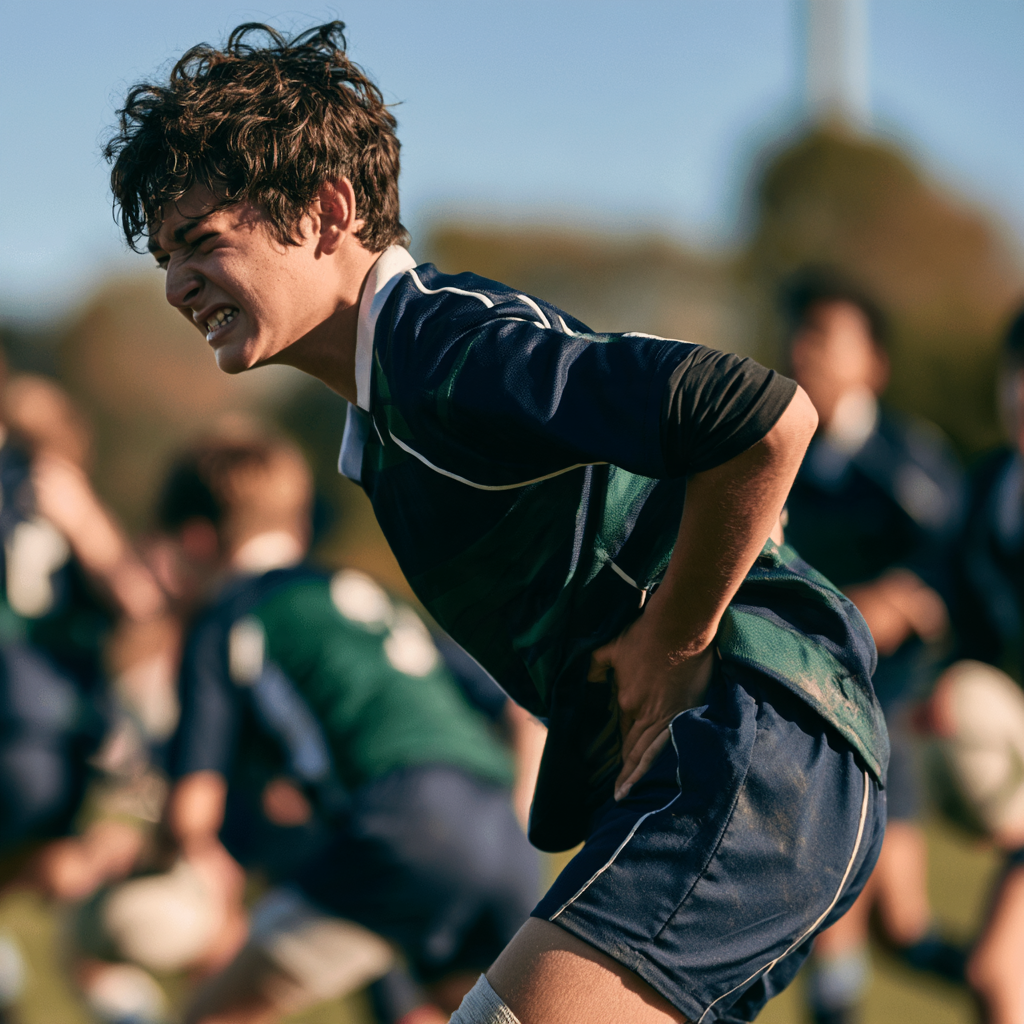
What the dropout years look like
Girls leave sport in significant numbers between roughly 13 and 16. The reasons repeat: not enjoying it any more, body image and kit, periods and a lack of practical support, feeling judged, exam pressure, and losing friends from the team.
Very few of those are about ability, and almost all of them can be influenced at home and at the club.
Keeps her in
- Friends in the team
- Coaches who explain and develop
- Kit and facilities that work
- Periods discussed matter-of-factly
- Progress she can see
Pushes her out
- Feeling judged on physique
- Winning treated as the only point
- No private changing or toilets
- A plateau nobody explains
- Sport becoming another exam
What keeps her in, and what pushes her out
The journey home
The car after a match is where most damage is done or avoided. Young athletes consistently say they want food, quiet, and a parent who is glad to see them, not an analysis of the game.
A workable default: say nothing about performance for the first ten minutes, hand over a snack, and let her lead. If she wants to talk about it she will.
Handling the plateau
- Explain in advance that growth often brings a temporary dip in speed and control.
- Point at development, not results: stronger, better technique, better decisions.
- Keep a couple of simple tests going so progress is visible when results are not.
- Avoid comparing her to teammates who are maturing earlier.
- Resist adding more training to fix a plateau caused by growth.
Practical support that changes decisions
- Period products in the kit bag as standard, and dark kit as an option.
- Food packed for the gap between school and training, every time.
- Sleep protected, including on the night after evening fixtures.
- Sensible total load across school, club and any other sport.
- Raising kit, facilities or coach language with the club rather than leaving it to her.
Keeping the point of it in view
Most young athletes will not play professionally, and nearly all of them will benefit for decades from bone built, habits formed and confidence gained in these years. Staying involved in some form is the outcome worth protecting.
That means valuing enjoyment out loud, allowing a break from a sport without treating it as failure, supporting a change of sport, and being the person she tells when something hurts or something is wrong.