
A parent's guide · 10–14 years · Usually 8–12 weeks with tendon-loading program
Sinding-Larsen–Johansson
Also called Sinding-Larsen-Johansson syndrome, Larsen Johansson, Larsen Johansson syndrome, SLJ syndrome.
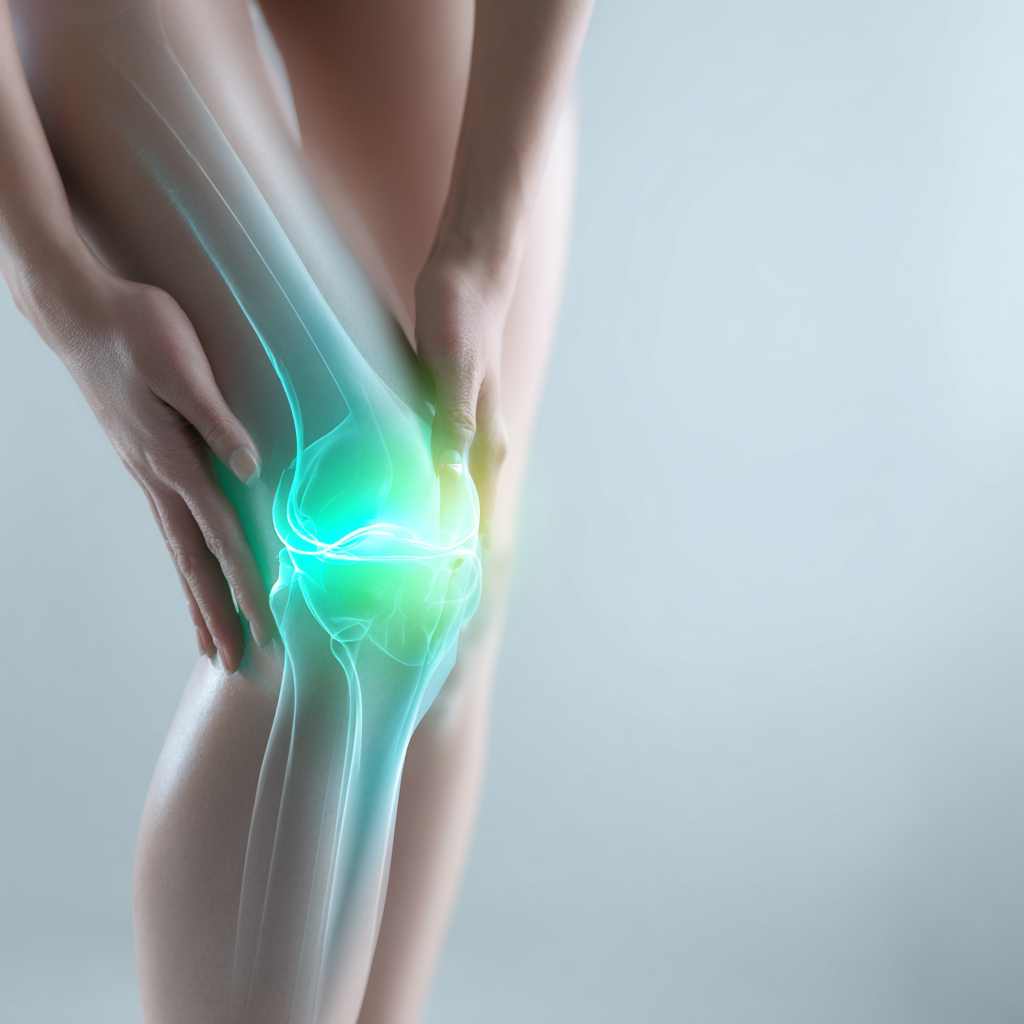
Pain at the bottom of the kneecap where the patellar tendon attaches, a cousin of Osgood–Schlatter.
Recover
What is happening to your child
This is the same idea as Osgood–Schlatter, one attachment point higher up. The tendon pulls on the bottom tip of the kneecap, which in a growing child is still developing bone, and repeated jumping and sprinting irritates it. It is a load problem in a growing body, not a sign the knee is wearing out.
Does this sound like them?
- Pain at the lower edge of the kneecap
- Tenderness to touch on the kneecap tip
- Pain climbing stairs or jumping
- Stiffness after sitting
Why it has flared up now
- Growth spurts
- Tight quads and weak glutes
- Volleyball, basketball, athletics
- Spikes in training intensity
For parents
What parents worry about most
Is this arthritis or long-term joint damage?
No. This is irritation of a growing attachment point, not joint wear, and it is not a forerunner of arthritis.
Why does it hurt on stairs and after sitting?
Both load the front of the knee, stairs through the tendon and sitting by holding the knee bent under tension. It is a sign the area is sensitised, not that something is slipping or tearing.
How do we stop it coming back every season?
Recurrence usually follows a jump in training volume without the strength to match. Keeping up thigh, hip and calf strength through the season is the most reliable protection we have.
Grow
What you can do this week
- Trim jumping and change-of-direction volume first, that is usually the biggest driver
- Add daily quad isometrics and gentle tendon loading, keeping pain mild
- Break up long periods of sitting with a few minutes of walking
- Loosen off tight quads and work on glute strength
- Track pain the morning after sport rather than during it
When to get them seen in person
Book an in-person assessment with your GP or a physiotherapist if you notice any of these, or if you are simply worried. Our guides and programmes are education and exercise support, not a diagnosis.
- Sudden severe pain after a specific injury, or an inability to straighten the knee
- Swelling that keeps returning, locking or giving way
- Night pain, fever or unexplained weight loss
- Pain that is steadily worsening over weeks despite reduced load
Where to go from here
Step 1
Free
Read the parent guide
Understand what is happening to your child, what makes it worse, when assessment is appropriate, and how the three-stage framework works. Written by a physio, for parents.
Understand it
Get the free guideStep 2
£59
6-Week Recovery Framework
A condition-specific framework you follow at home: phase-by-phase structure, load and pain guidance, progression criteria, impact and sport-capacity progressions, and exercise demonstrations.
Load & Pain, Impact Tolerance
See plansStep 3
£395
12-week personalised rehab
The same three stages, built around your athlete after a 1:1 video assessment, with bi-weekly physio check-ins, changes as they progress, and return-to-sport screening.
All three stages, with support
See plansEvidence Hub
More on Sinding-Larsen–Johansson
Evidence-informed articles for parents and coaches on this condition, growth-related injury and youth athletic development.
Hypermobility and Growth-Related Injuries: Key Recommendations for Parents
Bendy joints and a growth spurt are a common combination behind knee, heel and back pain in young athletes. Here is why the two interact, and what parents can do about it.
ReadWhat Is a Growth Spurt (PHV) and Why Does It Matter for My Child's Training?
Peak height velocity is the fastest point of your child's growth spurt, and it is the period when growth-related injuries cluster. Here is how to spot it and what to change in their week.
ReadWhen Bones Finish Growing: Ossification Timing in Adolescent Boys and Girls
Growth plates do not all close at once. Knowing roughly when each one hardens, and that girls run about two years ahead of boys, explains why certain injuries appear at certain ages.
ReadWhy Do Growth-Related Injuries Happen?
Growth-related injuries are not bad luck. They are the predictable result of demand outrunning capacity at a specific point in development.
ReadCan You Prevent Growth-Related Injuries in Young Athletes?
You cannot prevent growth. You can meaningfully change the odds, and the things that work are simpler and cheaper than most parents expect.
ReadAdolescent Knee Pain: Red Flags That Need Assessment
Most adolescent knee pain is load-related and self-limiting. A short list of features should prompt clinical assessment instead.
ReadOther conditions