
Evidence Hub
Evidence-informed articles on youth rehab and performance.
Written for parents first, in plain English: what the research actually says about adolescent injury, rehabilitation and safe strength training, and what it means for your young athlete. Coaches are welcome too.
Audience
Clinical content is hidden by default.
Additional information for healthcare and exercise professionals. This section is hidden by default.
Select Clinicians to include research spotlights and clinical detail written for professionals.
Topic
Condition
24 articles
Hypermobility and Growth-Related Injuries: Key Recommendations for Parents
Bendy joints and a growth spurt are a common combination behind knee, heel and back pain in young athletes. Here is why the two interact, and what parents can do about it.

Growth Plate Fractures: A Parent's Guide to the Types and What Rehab Involves
Growth plate fractures are common in children and most heal well. Here is what the five types mean, why the classification changes the plan, and what physiotherapy actually does afterwards.
What Is a Growth Spurt (PHV) and Why Does It Matter for My Child's Training?
Peak height velocity is the fastest point of your child's growth spurt, and it is the period when growth-related injuries cluster. Here is how to spot it and what to change in their week.

When Bones Finish Growing: Ossification Timing in Adolescent Boys and Girls
Growth plates do not all close at once. Knowing roughly when each one hardens, and that girls run about two years ahead of boys, explains why certain injuries appear at certain ages.

Why Do Growth-Related Injuries Happen?
Growth-related injuries are not bad luck. They are the predictable result of demand outrunning capacity at a specific point in development.
Can You Prevent Growth-Related Injuries in Young Athletes?
You cannot prevent growth. You can meaningfully change the odds, and the things that work are simpler and cheaper than most parents expect.
Sever's Disease in Young Athletes: Symptoms, Treatment and When to Worry
Heel pain in an 8–14 year old is usually Sever's disease. Here is how to recognise it, what treatment actually works, and the signs that need assessment.
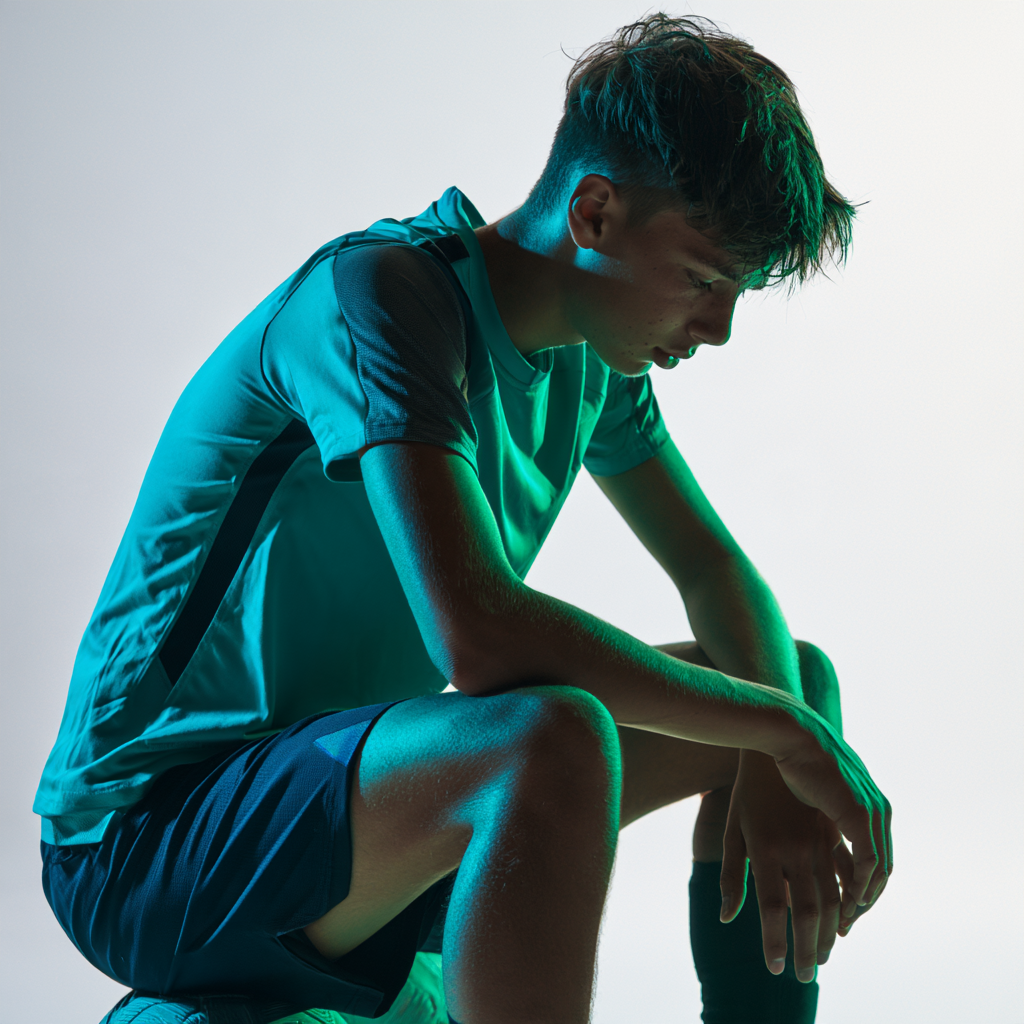
How Much Sleep Do Children and Teenagers Need for Sports Recovery?
Most teenage athletes get well under the recommended amount, and the association between short sleep and injury in this group is one of the more consistent findings in youth sport research.
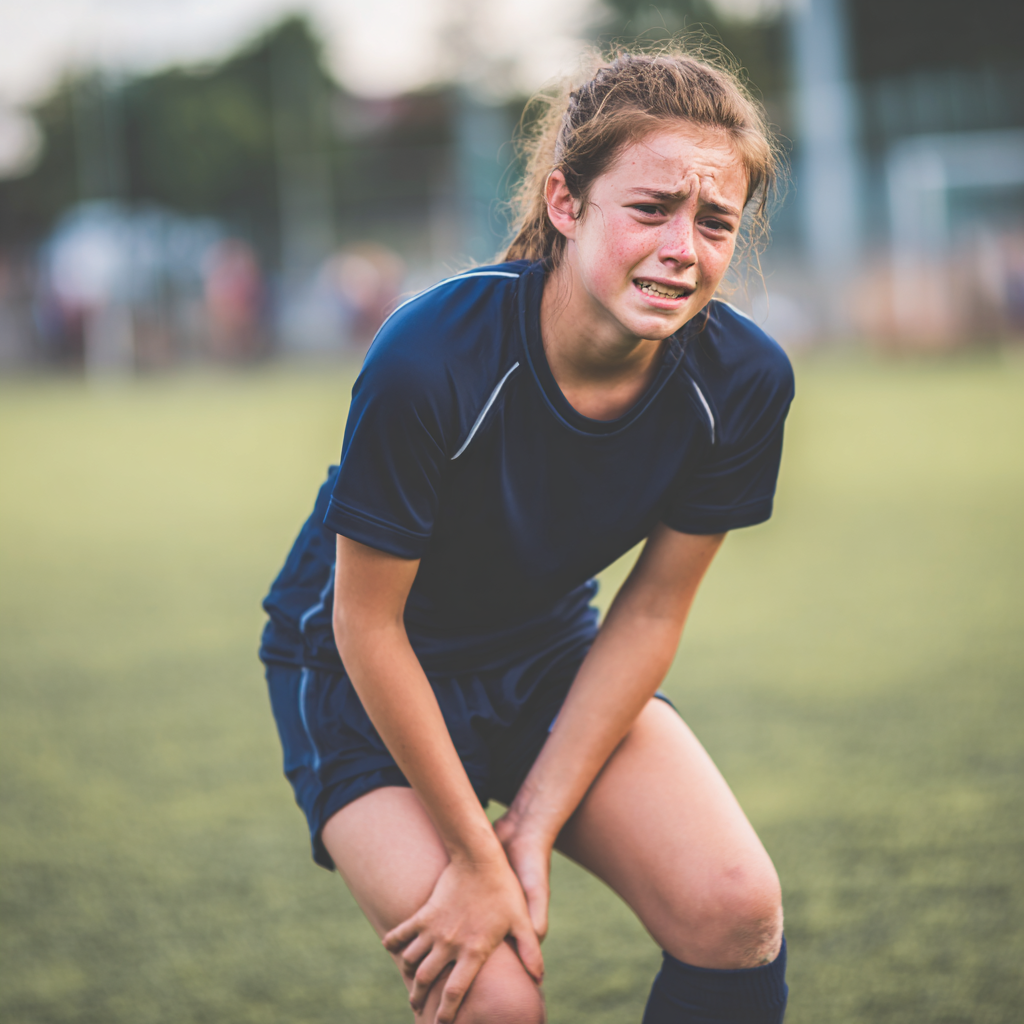
Growing Pains or a Sports Injury? How to Tell the Difference
True growing pains and sport-related growth plate injuries look nothing alike once you know what to compare, and the distinction changes what you should do.
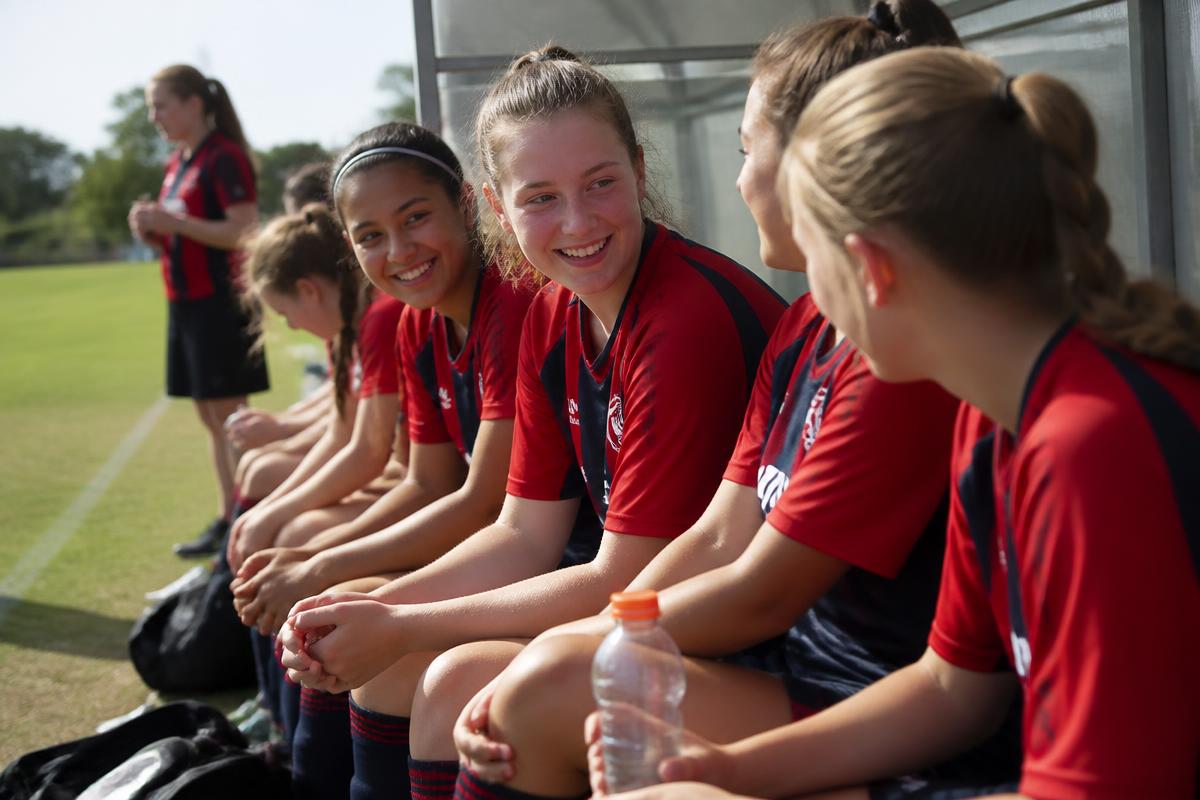
Growth Spurts and Sports Injuries: Why Do They Happen?
A growth spurt changes an athlete's body faster than their tissues or their coordination can keep up. Injuries cluster in that window for good reason.
Why Do Growing Children Get Knee and Heel Pain?
Knee and heel pain cluster in growing athletes for a specific, well-understood reason - and once you understand it, the management makes sense.
Sever's Disease Exercises: A Staged Approach for Heel Pain
Calf strength is the backbone of managing Sever's disease. This is the order to build it in, and how to get impact back into a young athlete's week without repeated flare-ups.
Growth Spurts and Injury Risk: Why Injuries Cluster at Peak Height Velocity
Injury rates rise sharply around peak height velocity. Understanding the mechanism lets you adjust training before symptoms appear.
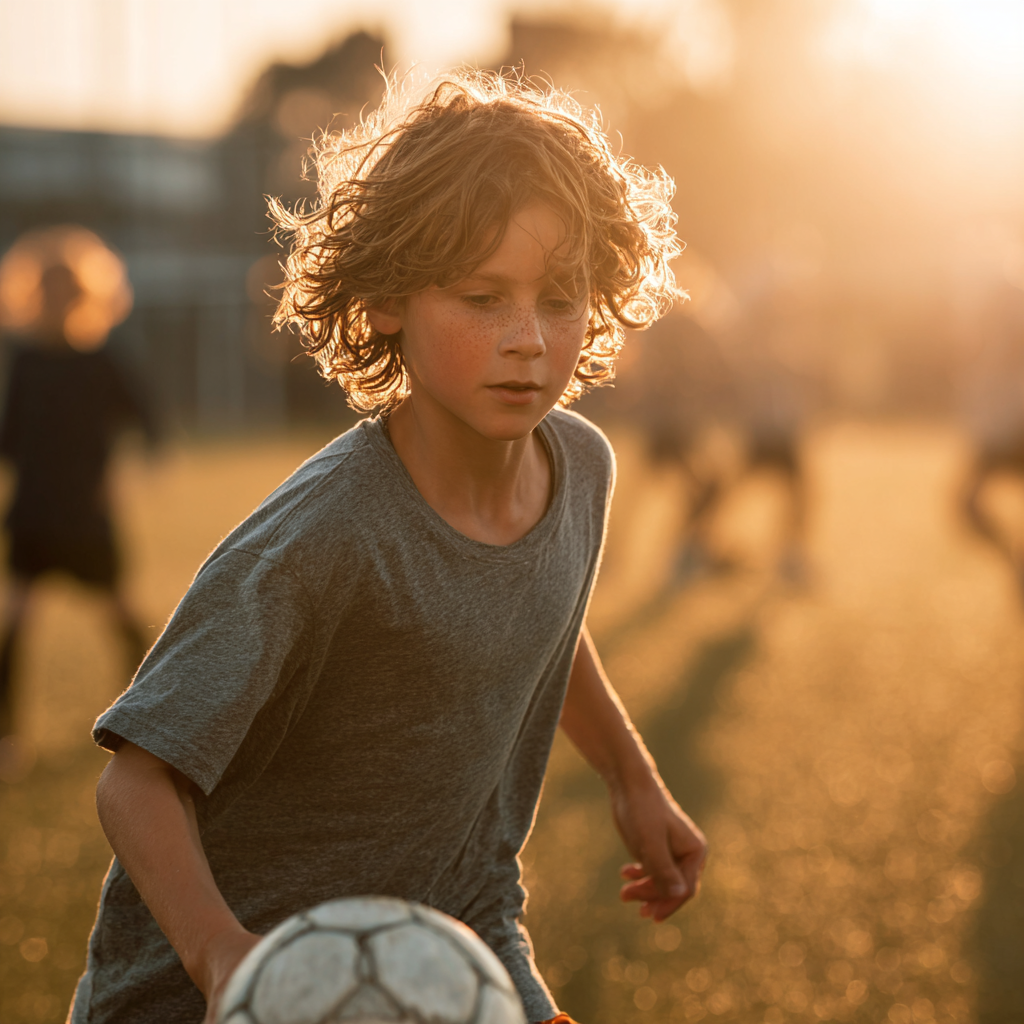
How Much Training Is Too Much for a Young Athlete?
There is no universal number - but there are reliable thresholds, warning signs and a simple way to keep track.
Returning to School Sport After the Holidays: How to Safely Build Training Back Up
The first three weeks back are the highest-risk period of the school year. A short ramp-up before term starts changes how that period goes.
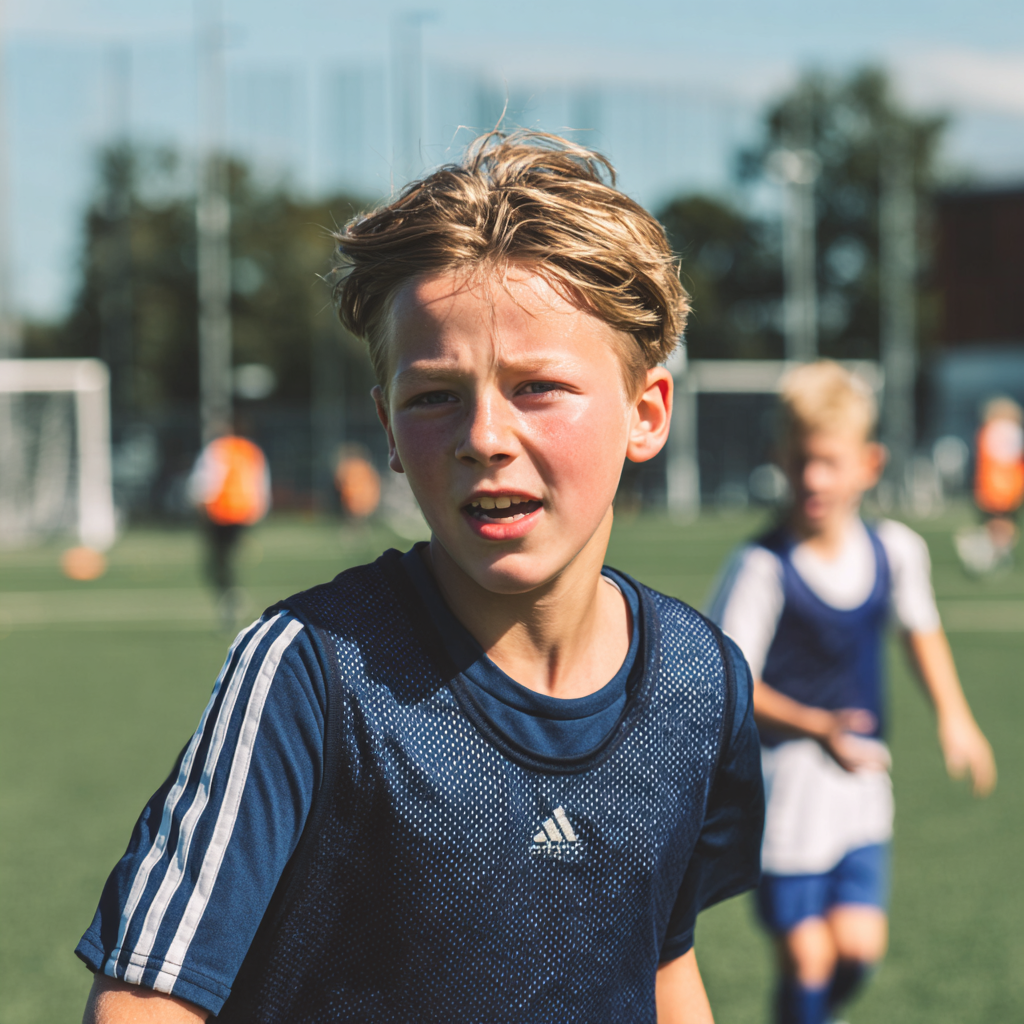
Rest vs Load Management: Why "Just Rest It" Fails for Apophysitis
Complete rest settles pain and then hands it straight back on return to sport. Progressive loading is what builds tolerance.
Recovery for Young Athletes: The Best Strategies After Training and Competition
Sleep, food and rest days do almost all the work. Ice baths, compression garments and foam rollers do far less than the marketing suggests.
Heel Pain in Young Footballers: Is It Sever's Disease?
Heel pain in a young footballer is usually Sever's disease - and football boots, pitches and fixture congestion all make it more likely.

From Injury to Performance: A 3-Phase Approach to Youth Athletic Development
The same three-phase structure takes an athlete from painful to playing, and then from playing to performing better than before.
Strength Training During a Growth Spurt: What Should Change?
A growth spurt is not a reason to stop strength training. It is a reason to change what you emphasise within it.
When Is a Young Athlete Ready to Return to Sport After Injury?
Time since injury is the least useful readiness criterion. These are the tests that actually tell you whether a young athlete is ready.
Growth vs Maturation: What's the Difference and Why Does It Matter in Youth Sport?
Growth is how big a child is getting. Maturation is how far through the process they are. Confusing the two is one of the most common mistakes in youth sport.

When Do Growth Plates Close? What Parents and Young Athletes Need to Know
Growth plates close at different ages in different bones, and the window before closure is when most growth-related sports conditions appear.
Heel Pain in Children: Causes Beyond Sever's Disease
Sever's disease accounts for most heel pain in active 8 to 14 year olds, but not all of it. Here is how to recognise the usual pattern and what else to keep in mind.